
The High-Speed Transformation of Gurgaon Real Estate
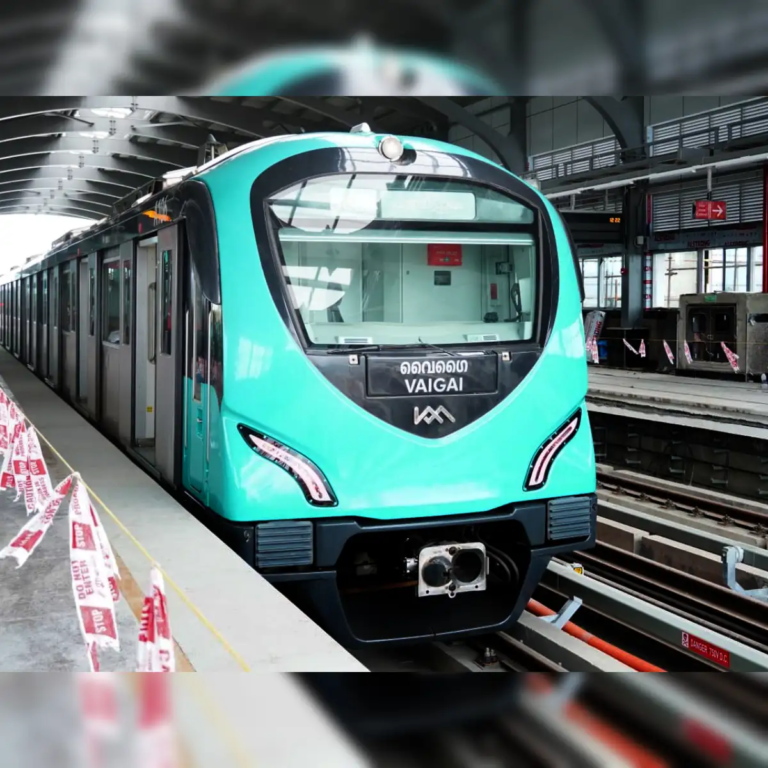
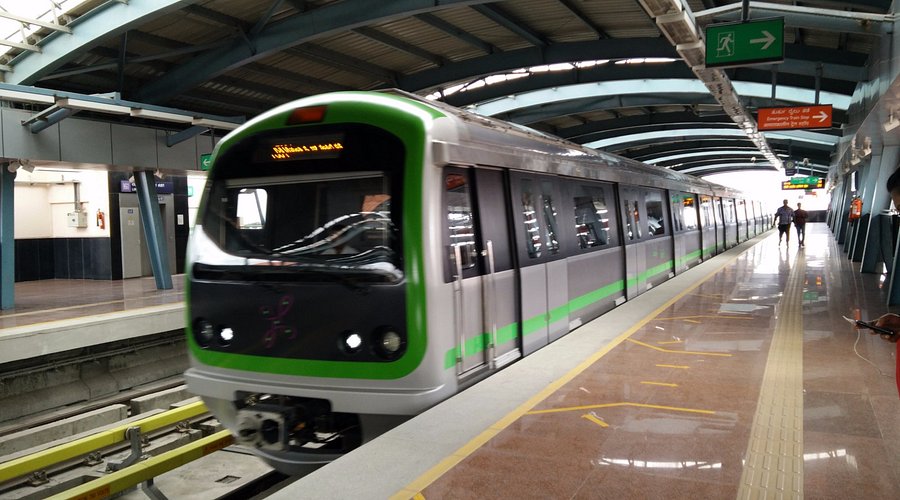
In the urban evolution of the National Capital Region, connectivity is the ultimate currency. As we move through 2026, the Gurgaon Metro Expansion has transitioned from a blue-print to a massive engine of economic growth, fundamentally altering how homebuyers perceive value. For anyone looking to secure their future in the city, understanding the impact of these new rail corridors is no longer optional—it is essential. The “Metro Effect” is currently the single most powerful driver of capital appreciation across the city’s residential landscape.
- The High-Speed Transformation of Gurgaon Real Estate
- From a Single Line to a Multi-Directional Web
- Why Homebuyers are Betting on the Metro Expansion
- 1. The Surge in Property Valuations
- 2. Enhanced Rental Yields
- 3. Transit-Oriented Development (TOD)
- 4. Commercial Synergy
- How Gurgaonfloors Can Help You Find the Right Metro-Linked Home
- FAQs:
Gurgaon is growing fast, and one area that is getting a lot of attention is the integration of high-speed transit with premium housing. This stretch is quickly becoming a popular place for people who want to buy a home or invest in property. It offers good roads, easy travel, and many new residential projects in Gurugram. At gurgaonfloors.in, we are witnessing a paradigm shift where proximity to a metro station has become the top priority for modern families, surpassing even traditional luxuries like clubhouses or golf views.
From a Single Line to a Multi-Directional Web
The journey of the Gurgaon Metro Expansion began with a modest link to Delhi, but 2026 marks the era of the “Loop and Link” strategy. Historically, the city relied heavily on the Yellow Line and the privately-run Rapid Metro. However, the game-changer was the approval of the 28.5 km Metro Ring, which connects Huda City Centre to Cyber City, effectively circling the most densely populated residential and commercial zones.
According to data reported by The Indian Express, the foundation for this new era was laid with multi-billion rupee investments aimed at decongesting NH-48. Market trends observed over the last decade show that sectors within walking distance of a metro station have consistently outperformed the broader market by nearly 25% in terms of resale value. With the Haryana Government now fast-tracking the Sector 56 to Pachgaon line, the real estate map of Gurgaon is being redrawn to follow the tracks, moving the center of gravity toward the Southern Peripheral Road (SPR) and New Gurgaon.
Why Homebuyers are Betting on the Metro Expansion
For a homebuyer in 2026, the Gurgaon Metro Expansion represents more than just a train; it represents a lifestyle upgrade and a secure financial asset. Here is how the metro is impacting the city’s real estate in detail:
1. The Surge in Property Valuations
As observed in global cities, the “announcement-to-operation” phase of a metro project is the most profitable for investors. In sectors like 69, 70, and 71, property prices have surged as the viaducts for the new lines become visible. Homebuyers who invest early in these metro-aligned sectors are likely to see an immediate 15-20% spike in equity once the first train rolls out. This mirrors the Mumbai Metro impact where connectivity redefined suburban luxury.
2. Enhanced Rental Yields
The modern workforce in Gurgaon—consisting of tech professionals and corporate executives—prioritizes a stress-free commute. Consequently, residential projects near the Gurgaon Metro Expansion are seeing rental yields touch 4.5% to 5.2%. A 3BHK luxury floor near a metro station in 2026 is no longer just a home; it is a high-performing rental asset that attracts premium tenants willing to pay for the convenience of avoiding traffic.
3. Transit-Oriented Development (TOD)
The National Capital Region Planning Board (NCRPB) has encouraged TOD policies that allow for higher density and mixed-use developments along the metro tracks. This has resulted in the birth of “Integrated Townships” where residents can live, work, and shop within a 500-meter radius of the station. These micro-cities offer a higher quality of life, with less noise and air pollution due to reduced private vehicle usage.
4. Commercial Synergy
The expansion isn’t just residential. Stations are becoming hubs for “High-Street” retail and co-working spaces. This means a homebuyer in a metro-connected sector also gains access to a vibrant social ecosystem of cafes, banks, and boutique gyms, all accessible without a car.
How Gurgaonfloors Can Help You Find the Right Metro-Linked Home
Navigating the Gurgaon Metro Expansion can be complex, as not every project near the tracks is a good investment. At gurgaonfloors.in, we specialize in identifying “high-value” properties that benefit from the metro while maintaining a peaceful residential environment. Our team provides detailed “Distance-to-Station” audits for every floor and apartment we list.
Whether you are looking for a luxury independent floor in Sector 56 or a premium high-rise in Sector 70, we offer expert guidance on RERA compliance, developer reliability, and future appreciation forecasts. We understand that a home near the metro is a legacy asset; therefore, we ensure your purchase is backed by real-time data and market insights. Visit gurgaonfloors.in to explore our curated list of properties that put you on the fast track to a better lifestyle.
FAQs:
1. Which sectors are currently the best for ‘Metro-linked’ investment?
Sectors 69, 70, 71, and 73 are currently the “hotspots” due to their proximity to the new interchange stations and the Southern Peripheral Road.
2. Does a metro station nearby increase maintenance costs?
Generally, no. While property values increase, maintenance is project-specific. However, the convenience and savings on fuel often far outweigh any nominal increases in local area charges.
3. What is the ‘Double-Decker’ viaduct on the SPR?
It is a unique engineering feat of the Gurgaon Metro Expansion where the metro line and an elevated road share the same pillars, ensuring world-class mobility in a compact space.
Add a comment