
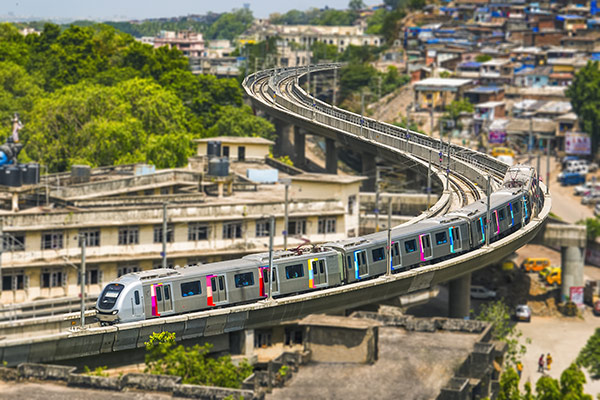

Gurgaon Metro Expansion: Connecting Old and New Gurugram for a Brighter Future
The landscape of Gurugram is on the verge of a historic transformation. With the recent Gurgaon Metro expansion news taking center stage, the city is set to bridge the long-standing gap between Old Gurugram and the modern commercial hubs of New Gurugram. This massive 28.5-km project, approved by the Union Cabinet, is not just a transportation upgrade; it is a lifeline that will redefine urban mobility for lakhs of residents. As the city evolves into a global destination, the extension from Millennium City Centre (formerly HUDA City Centre) to Cyber City marks a pivotal moment for homeowners and investors. For anyone looking to buy property in the region, understanding the nuances of this expansion is essential to making a future-proof investment. In this blog, we break down the latest updates, route maps, and the inevitable surge in real estate values.
The Path to Modern Connectivity
For nearly five years, the proposed metro extension faced multiple delays and planning shifts. However, as per recent reports from Housing.com, the project is now in full swing with the establishment of Gurugram Metro Rail Limited (GMRL). The Haryana Government has recently approved a specialized land acquisition policy to expedite the construction of tracks and pillars, with work on the first pillar already commencing in Sector 44.
The project, estimated at over ₹5,452 crore, is a joint venture between the Central and State governments. Historically, Old Gurgaon remained underserved by the rapid transit network, creating a stark contrast in property demand between the two halves of the city. According to market insights from The Times of India, infrastructure developments of this scale typically lead to a 20-30% appreciation in property prices even before the first train runs. With an estimated daily ridership of 5.34 lakh by 2026, the Gurgaon Metro expansion news has effectively reignited interest in sectors that were previously considered “peripheral.”
Routes, Stations, and Real Estate Impact
1. The New Corridor: 27 Stations of Convenience
The Gurgaon Metro expansion news highlights a primary corridor of 26.65 km featuring 26 stations, plus a crucial 1.85-km spur line connecting Basai Village to the Dwarka Expressway. This loop will ensure that residents of Sector 4, 5, 7, and Palam Vihar have direct access to the Yellow Line and the Rapid Metro. Key stations such as Cyber Park, Hero Honda Chowk, and Krishna Chowk will serve as major transit hubs, significantly reducing the reliance on private vehicles.
2. Phase-wise Development and Spurs
The project is divided into strategic phases:
- Phase 1: Connecting Millennium City Centre to Sector 101 over a 15.3 km stretch.
- Phase 2: Linking Sector 9 to Cyber Hub. Furthermore, a new 1.8-km spur line has been approved to link the Gurgaon Railway Station directly to the metro network. This multi-modal connectivity is a game-changer for commuters who frequently travel to Delhi or use the Indian Railways.
3. Real Estate Boom in the “Impact Zone”
One of the most significant Gurgaon Metro expansion news takeaways is the projected rise in property values. Areas like Sector 37, Sector 10, and Basai are expected to see a massive influx of residential and commercial projects. High-rise developments and independent floors along the Dwarka Expressway will benefit from the “spur” line, making these sectors highly attractive for end-users. Increased demand for rental properties is also anticipated as working professionals seek homes with easy metro access.
4. Connectivity with RRTS and Airport
The expansion isn’t an isolated project. It is designed to integrate with the Delhi-Dharuhera RRTS, with an interchange at Hero Honda Chowk. Future plans also include a link from Palam Vihar to Dwarka Sector 21, providing a direct gateway to the Indira Gandhi International Airport. This interconnected web of transport makes Gurgaon Metro expansion news the most critical factor for 2025 real estate strategies.
How Gurgaonfloors Can Help You Capitalize on Growth
At Gurgaonfloors, we keep a pulse on every infrastructure milestone. The latest Gurgaon Metro expansion news indicates that now is the ideal time to invest in sectors along the new route. Our experts specialize in identifying high-growth properties, from luxury floors in Palam Vihar to modern apartments near the Dwarka Expressway.
By leveraging our platform, gurgaonfloors.in, you gain access to curated listings that are “Metro-Ready.” We assist you in verifying the RERA status of projects via Haryana RERA and help secure competitive home loan rates through our banking partners. Whether you are looking for capital appreciation or high rental yields, our consultancy ensures you stay ahead of the curve.
FAQs (Frequently Asked Questions)
1. When will the new Gurgaon Metro line be operational?
While construction has started, the project is expected to be fully completed within four years (approximately by 2028-2029), though some phases may open earlier.
2. Which sectors will benefit most from the expansion?
Sectors 4, 7, 9, 37, 45, Palam Vihar, and the areas surrounding the Dwarka Expressway are expected to see the highest appreciation.
3. Will the new line connect to the Delhi Metro Yellow Line?
Yes, the Millennium City Centre station will serve as a major interchange connecting the new loop to the existing Delhi Metro Yellow Line.
4. How many stations are planned in total?
The current approved plan includes 27 elevated stations across the main corridor and the spur lines.
Add a comment