
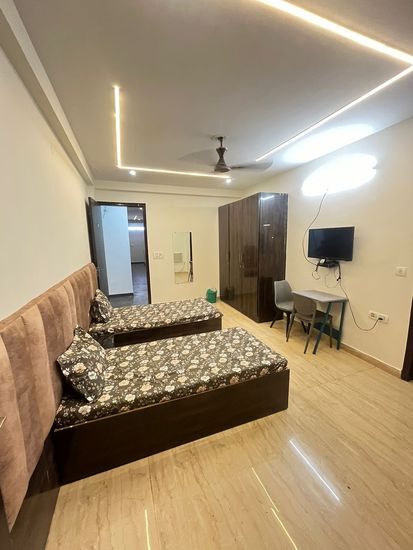
Co-living for students in India: Benefits and challenges
Since 2015, a remarkable USD 1 billion funding surge has propelled co-living spaces for students in India toward a more structured and scalable model, aiming for around 1 million beds by 2030. As students prioritize mobility and internships, flexible rentals are increasingly favored over traditional leases and unregulated paying guest accommodations. Professionally managed co-living communities offer a blend of safety, connectivity, and a sense of community, all bundled into a single monthly fee. In major education hubs like Bengaluru and Hyderabad, this innovative housing model is transforming student life and expectations. For those seeking a supportive living environment, understanding this shift can provide valuable insights into making informed choices in a competitive market.
Understanding the Co-Living Shift in India: The Catalyst for Change in Student Housing
The student housing options in India are shifting from informal paying guest accommodations and cramped hostels to managed co-living spaces that focus on affordability, community, and convenience. Students can rent private or semi-private rooms within full-service properties that come equipped with furnished spaces, high-speed Wi-Fi, housekeeping, security, and shared study and social areas. App-based systems simplify booking, rent payments, maintenance requests, and event notifications, aligning perfectly with a tech-savvy student lifestyle. This concept, which has been prevalent in global student cities, is now firmly established in key Indian hubs—Bengaluru, Pune, Delhi-NCR, and Hyderabad—where independent living is complemented by peer support. Picture living in a shared campus corridor rather than a solitary apartment: you enjoy privacy while benefiting from community support just next door.
- The co-living market is projected to grow at a compound annual growth rate (CAGR) of 17%, with a market size approaching 40 million beds.
- Inventory is expected to reach around 1 million beds by 2030, a significant increase from the current 0.3 million beds.
- The current penetration rate of co-living spaces is approximately 5%, with expectations to exceed 10% by the end of the decade.
- Co-living offers a rental advantage of 20-35% compared to traditional rentals, enhancing value for budget-conscious students.
These statistics show the early growth, pricing power, and increasing acceptance of co-living spaces, setting the stage for rapid expansion across educational corridors.
Student Experiences and Costs: The Rising Popularity of Co-Living
As inter-city migration increases, the demand for structured living solutions rises, making co-living a preferred choice over informal setups. Students seek transparent pricing, accountability, and safety—especially for outstation and female residents—without the burden of long-term leases. Providers respond with turnkey rooms, digital processes, and community programs that simplify urban living. With an estimated 35 million students pursuing higher education, cities like Bengaluru, Pune, Delhi, Noida, Gurugram, and Hyderabad continue to attract learners who require flexible stays rather than fixed tenures. The option for short-term stays and minimal upfront costs alleviates challenges associated with internships, exchanges, and project-based timelines.
- Urban mobility: Students often seek internships or exchange programs, preferring flexible rental terms over long leases.
- Safety and convenience: Professionally managed facilities address safety concerns, particularly for outstation and female students.
- Lifestyle alignment: Co-living spaces offer community activities, shared kitchens, and social zones, catering to the lifestyle preferences of Gen Z—who value both privacy and social interaction.
- Technology-driven ease: From booking to billing, the entire experience is digitized, aligning with students’ tech-first approach.
These factors collectively explain why structured co-living outperforms traditional paying guest accommodations and hostels in terms of value, predictability, and overall student experience.
What Co-Living Providers Offer Students Today
Students are drawn to co-living because it simplifies daily life and enhances predictability. Operators bundle necessary services, streamline logistics, and foster community, allowing residents to concentrate on their academic pursuits and personal growth.
- Affordability and Flexible Rentals: By sharing utilities, maintenance, and amenities, students can access high-quality housing at lower individual costs, with options for short-term stays, semester-based contracts, or easy move-outs instead of lengthy leases.
- Convenience and Ready-to-Move Facilities: Furnished rooms, high-speed internet, cleaning services, and even meal options create a plug-and-play lifestyle with minimal chores and no setup fatigue.
- Community and Networking Opportunities: Shared lounges, events, and group activities promote friendships, emotional support, and collaboration beyond academic hours.
- Safety and Security: CCTV surveillance, biometric access, on-site staff, visitor management systems, and emergency helplines instill confidence for students and their families.
- Technology Integration: Digital onboarding, payments, and maintenance apps centralize living tasks and ensure clear communication.
When these elements work in harmony, students enjoy both independence and a reliable support system tailored to their schedules.
Challenges and Risks Students May Encounter in Co-Living
While co-living offers many benefits, it is not without its challenges. Understanding potential trade-offs can help students avoid disappointment. Be mindful of services that may fall short, costs that may increase, and compatibility issues with roommates.
- Lack of Privacy: Shared rooms and facilities can blur personal boundaries and may overwhelm quieter residents.
- Compatibility Issues: Differences in sleep patterns, cleanliness standards, or social habits can lead to friction among roommates.
- High Demand and Costs in Prime Areas: Limited availability near top colleges may result in higher prices compared to smaller paying guest accommodations.
- Hidden or Additional Costs: Students should carefully review extra charges such as utility bills, maintenance fees, security deposits, meals, or laundry that can inflate their budgets.
- Service Dependency: Inadequate maintenance or slow responses from staff can quickly diminish the living experience.
Clarifying expectations upfront and auditing services before signing agreements can help align the appealing marketing with the day-to-day reality.
How Co-Living Differs from PGs and Hostels
While both co-living spaces and traditional accommodations share common areas, the experiences and management styles differ significantly. These distinctions clarify why structured co-living commands a premium and earns trust.
- Management: Professionally managed with structured services vs. Often informal and individually managed.
- Amenities: Furnished rooms, Wi-Fi, housekeeping, and events vs. Basic furniture and limited services.
- Privacy: Private or semi-private rooms vs. Mostly shared rooms.
- Flexibility: Short-term or customizable leases vs. Fixed tenures and rigid rules.
- Community: Organized social activities and networking vs. Minimal community engagement.
- Transparency: App-based payments and contracts vs. Manual transactions with less clarity.
For many students, these differences translate into safer, cleaner, and more predictable housing options—without sacrificing independence.
Where Demand is Growing and What It Costs
City-level growth illustrates how student corridors drive the co-living model. Rental prices vary by neighborhood and amenities, but structured services maintain a clear value proposition.
- Bengaluru: Nearly 30% CAGR since the pandemic, with rents ranging from ₹9,000 to ₹22,000 per month across student clusters.
- Hyderabad: Approximately 21% growth, with rents between ₹8,000 to ₹18,000 per month in high-demand areas like Gachibowli and Madhapur.
- Pune: Nearly 17% CAGR, with rents from ₹9,500 to ₹16,000 per month reflecting rising student interest.
- Mumbai: 15–16% growth, with rents ranging from ₹10,000 to ₹25,000 per month depending on location and amenities.
- Chennai: Strong double-digit growth, with rents between ₹8,000 to ₹17,000 per month as modern stock expands.
These ranges show a tiered market where students weigh proximity, amenities, and price against stability and service quality.
Key Players and the Expansion of the Co-Living Ecosystem
Branded operators are standardizing quality and elevating expectations across cities. The future of co-living increasingly combines housing with community programming.
- Leading operators: Stanza Living, Your-Space, Zolo, Colive, and Housr.
- Future direction: Institutional collaboration, investment inflow, hybrid living models, and expansion into Tier-2 cities like Indore, Jaipur, and Chandigarh.
- Student experience: Curated events and shared spaces foster a sense of belonging and reduce feelings of isolation in large urban environments.
As these players compete on design, services, and pricing, students benefit from increased choices and clearer standards.
Gurgaon Floors: Your Guide to Co-Living Spaces for Students in India
Co-living spaces for students provide structured safety, digital convenience, and a sense of community in cities where traditional housing options often fall short. The appeal of this model lies in its flexible rentals, transparent service delivery, and amenities that minimize daily hassles. Operators must uphold their commitments regarding hygiene, pricing clarity, and responsiveness, as students rely on these systems. Families and students deserve dependable housing that respects budgets and privacy while fostering connections. Given the personal stakes involved, it is important to scrutinize terms and management quality before making a commitment.
For tailored insights regarding your move and budget, contact us at Gurgaon Floors to explore choices that meet your needs.
Frequently Asked Questions
What is the average rent for student co-living spaces in India?
Rents vary by city and amenities, typically ranging from ₹8,000 to ₹25,000 per month. Premium options in metropolitan areas may be priced higher.
Are co-living spaces safer than PGs or hostels?
Yes, structured operators implement CCTV, biometric entry, and on-site management. Security protocols, visitor controls, and escalation channels enhance accountability.
Can students stay in co-living spaces for short durations?
Many providers offer monthly, semester-based, or internship-aligned stays, providing flexibility that accommodates academic schedules and project timelines.
How do co-living operators ensure roommate compatibility?
Operators may utilize onboarding surveys and preference tools to match residents with similar lifestyles. However, compatibility is not guaranteed, so it’s advisable to review policies for transfers or changes.
How can I choose and secure an affordable student co-living space in India?
Compare the total cost of living, including any additional charges, and verify service response times. Visit properties, read agreements carefully, and confirm safety measures before making a deposit. For more insights on co-living facilities in major Indian cities, consider reaching out to local experts.
Add a comment